Abstract
GPIIb / IIIa receptor antagonists block fibrinogen binding to platelets and as a result inhibit platelet aggregation. They are very potent inhibitors due to the critical role fibrinogen binding plays in platelet aggregation. When given intravenously these drugs have been shown to be very effective as adjuvant therapy in percutaneous coronary intervention and in acute coronary syndromes. However, despite being as potent as their intravenous counterparts, all of the oral inhibitors showed no benefit or even increased mortality in clinical trials. There are a number of reasons for their failure. The target was different, chronic treatment to prevent thrombotic events as opposed to short-term treatment to prevent acute events and as a result, different dosing regimens were used. The acute use aims for a high level of inhibition (80- 90%) while the chronic use produced lower levels of inhibition. Many of the oral inhibitors had low bioavailability that led to a large peak-trough difference. Most GPIIb / IIIa antagonists have the ability to activate platelets through a GPIIb / IIIa-mediated process. This is known as partial agonism. In the presence of high drug levels, such as during an infusion this is not a problem, however combined with the low trough levels with oral inhibitors this can lead to an increase in platelet aggregation. Other problems include drug-induced conformational changes in GPIIb / IIIa (ligandregulated binding sites) and possible pharmacogenomics effects in the response to the drugs, in particular the PlA polymorphism in GPIIb / IIIa. By addressing these issues it is possible for a new generation of oral GPIIb / IIIa antagonist to be developed.
Keywords: gpIIb IIIa antagonists, platelet aggregation, pharmacogenomics
Call for Papers in Thematic Issues
"Tuberculosis Prevention, Diagnosis and Drug Discovery"
The Nobel Prize-winning discoveries of Mycobacterium tuberculosis and streptomycin have enabled an appropriate diagnosis and an effective treatment of tuberculosis (TB). Since then, many newer diagnosis methods and drugs have been saving millions of lives. Despite advances in the past, TB is still a leading cause of infectious disease mortality ...read more
Current Pharmaceutical challenges in the treatment and diagnosis of neurological dysfunctions
Neurological dysfunctions (MND, ALS, MS, PD, AD, HD, ALS, Autism, OCD etc..) present significant challenges in both diagnosis and treatment, often necessitating innovative approaches and therapeutic interventions. This thematic issue aims to explore the current pharmaceutical landscape surrounding neurological disorders, shedding light on the challenges faced by researchers, clinicians, and ...read more
Emerging and re-emerging diseases
Faced with a possible endemic situation of COVID-19, the world has experienced two important phenomena, the emergence of new infectious diseases and/or the resurgence of previously eradicated infectious diseases. Furthermore, the geographic distribution of such diseases has also undergone changes. This context, in turn, may have a strong relationship with ...read more
Melanoma and Non-Melanoma Skin Cancer Treatment: Standard of Care and Recent Advances
In this thematic issue, we aim to provide a standard of care of the diagnosis and treatment of melanoma and non-melanoma skin cancer. The editor will invite authors from different countries who will write review articles of melanoma and non-melanoma skin cancers. The Diagnosis, Staging, Surgical Treatment, Non-Surgical Treatment all ...read more
Related Journals

Anti-Cancer Agents in Medicinal Chemistry

Anti-Inflammatory & Anti-Allergy Agents in Medicinal Chemistry
Current Bioactive Compounds
Current Cancer Drug Targets
Combinatorial Chemistry & High Throughput Screening

Current Cancer Therapy Reviews
Current Diabetes Reviews
Current Drug Safety

Current Drug Targets

Current Drug Therapy
Related Books

Drug Addiction Mechanisms in the Brain

The NLRP3 Inflammasome: An Attentive Arbiter of Inflammatory Response
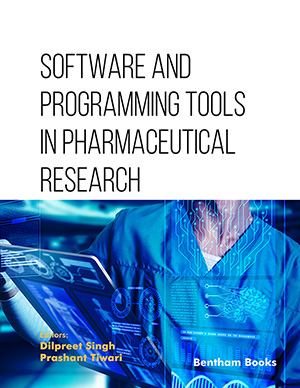
Software and Programming Tools in Pharmaceutical Research

Objective Pharmaceutics: A Comprehensive Compilation of Questions and Answers for Pharmaceutics Exam Prep

Medicinal Chemistry of Drugs Affecting Cardiovascular and Endocrine Systems

Advanced Pharmacy

Plant-derived Hepatoprotective Drugs

The Role of Chromenes in Drug Discovery and Development

New Avenues in Drug Discovery and Bioactive Natural Products

Practice and Re-Emergence of Herbal Medicine
 23
23